
Nutrition for Weight Loss: Practical Guide
Master the fundamentals of balanced eating, macronutrient timing, and sustainable dietary habits to achieve your wellness goals.
Core Nutrition Principles
Protein Intake
Optimal protein consumption supports muscle preservation and satiety during caloric balance.
Complex Carbs
Whole grains, legumes, and vegetables provide sustained energy and essential micronutrients.
Healthy Fats
Omega-3 and unsaturated fats from nuts, seeds, and fish support overall cardiovascular wellness.
Water Intake
Daily water consumption in glasses aids digestion, metabolism, and appetite regulation naturally.
5-Step Nutrition Planning Method
Assess Your Baseline
Track current eating patterns, food preferences, and daily activity level. Identify nutritional gaps and establish realistic baseline metrics before making changes.
Calculate Caloric Needs
Determine your daily caloric expenditure based on age, weight, height, and activity level. Establish a moderate caloric deficit (300–500 kcal) for sustainable progress.
Plan Macronutrients
Distribute calories across protein, carbohydrates, and fats according to your goals. Prioritise protein to maintain muscle mass and support metabolic rate.
Build Your Meal Plan
Create a weekly meal plan using whole foods, lean proteins, vegetables, and whole grains. Include flexibility for social meals and personal preferences.
Monitor & Adjust
Track progress weekly, adjust portions as needed, and refine your plan based on results and how you feel. Consistency matters more than perfection.
Understanding Macronutrient Balance
Balancing macronutrients is essential for sustainable weight management and long-term wellness. Each macronutrient plays a distinct role in your body's function and energy production.
Protein
Supports muscle repair, increases satiety, and boosts metabolic rate. Aim for 1.2–2.0 grams per kilogram of body weight daily.
Carbohydrates
Fuel your workouts and brain function. Prioritise complex carbs (oats, brown rice, quinoa) over refined sugars for stable energy.
Healthy Fats
Support hormone production and nutrient absorption. Include olive oil, avocados, fatty fish, and nuts in your daily intake.
Essential Nutrition Principles
Prioritise Whole Foods
Choose unprocessed, nutrient-dense foods over packaged alternatives. Whole foods contain more fibre, vitamins, and minerals per calorie.
- Organic vegetables and fruits
- Lean proteins and legumes
- Whole grains and seeds
Strategic Meal Timing
Distribute meals evenly throughout the day to maintain stable blood sugar and energy levels. Include protein and fibre at each meal.
- 3 main meals per day
- 1–2 light snacks if needed
- Consistent eating schedule
Intelligent Portion Control
Use visual guides like the "palm method" for proteins and hand-sized portions for carbs. Measure portions initially, then estimate with practice.
- Protein: palm-sized portions
- Vegetables: unlimited (mostly)
- Fats: thumb-sized portions
Adequate Hydration
Water intake supports metabolism, digestion, and appetite control. Drink before meals to reduce overall calorie intake naturally.
- 8–10 glasses daily minimum
- Water before and with meals
- Herbal teas as alternatives
Boost Fibre Intake
Soluble and insoluble fibre supports digestive wellness, blood sugar stability, and long-term satiety. Increase fibre gradually to avoid discomfort.
- 30+ grams daily target
- Vegetables, fruits, legumes
- Increase gradually over weeks
Read Nutrition Labels
Understand serving sizes, added sugars, sodium content, and ingredient lists. This knowledge empowers informed food choices every day.
- Check serving sizes first
- Monitor added sugars
- Choose whole ingredients
Frequently Asked Questions
How much protein do I need daily?
The general recommendation is 1.2–2.0 grams of protein per kilogram of body weight per day. This amount supports muscle maintenance, recovery, and increases satiety during caloric balance. People engaged in strength training may require higher protein intake.
Can I eat carbohydrates and still lose weight?
Absolutely. Carbohydrates are not inherently fattening. The key is choosing complex carbs (whole grains, vegetables, legumes) and controlling overall calorie intake. Complex carbs provide sustained energy, fibre, and essential micronutrients crucial for wellness.
What is a realistic caloric deficit?
A moderate deficit of 300–500 calories per day is sustainable and supports steady progress. This typically results in 0.25–0.5 kg of weight loss per week, preserving muscle mass and energy levels better than larger deficits.
How important is meal prep for weight management?
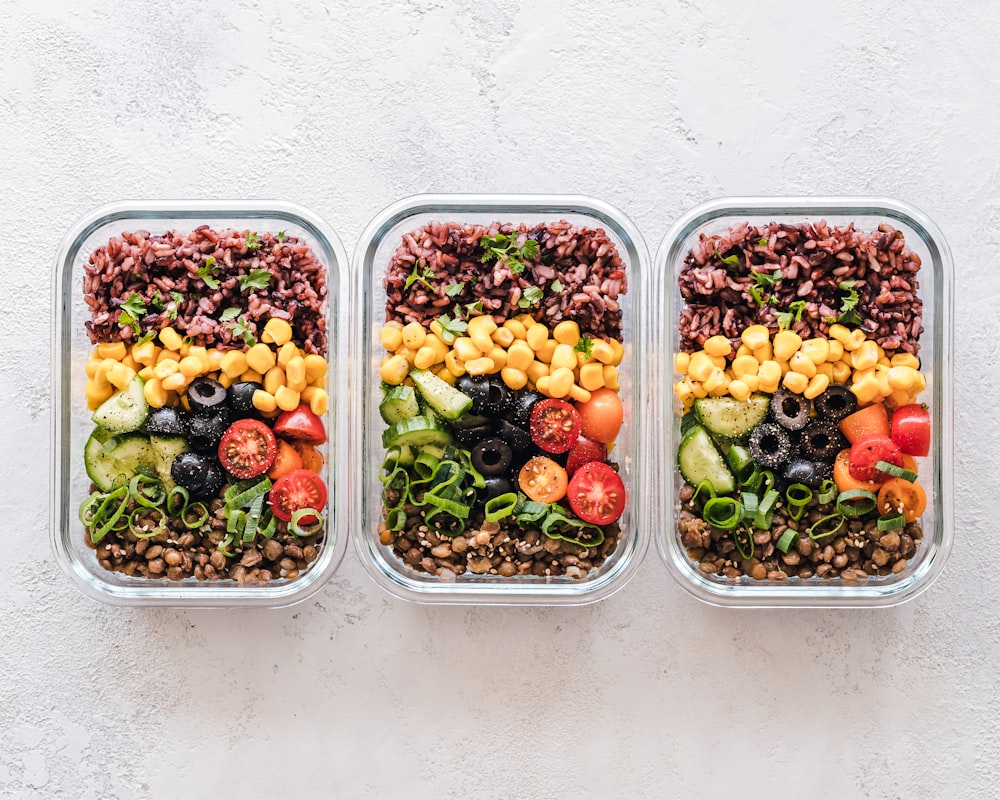
Meal prep is highly beneficial—it saves time, reduces impulse eating, and helps maintain caloric goals. Preparing proteins, vegetables, and grains in bulk allows you to assemble balanced meals quickly throughout the week.
Can I include treats in my nutrition plan?
Yes, flexibility is key to long-term success. The 80/20 principle—eating nutritious foods 80% of the time and allowing flexibility 20% of the time—supports adherence without guilt. Moderate portion sizes and occasional indulgences prevent food obsession.
What are the best sources of healthy fats?
Excellent sources include olive oil, avocados, fatty fish (salmon, mackerel), nuts, seeds, and nut butters. These foods provide omega-3 and omega-6 fatty acids essential for hormone production, inflammation management, and cardiovascular wellness.
Success Stories from Our Readers
"The macronutrient breakdown explained here finally made sense of nutrition science. I stopped obsessing over calories and focused on balanced whole foods instead. Within three months, my energy improved dramatically and the weight came off steadily."
Emma Thompson
Manchester, United Kingdom
"I loved that this approach didn't require strict dieting or cutting entire food groups. The meal prep guidance and recipe ideas made eating healthy sustainable. I've maintained my progress for over a year now."
James Wilson
Birmingham, United Kingdom
Ready to Transform Your Nutrition?
Explore our comprehensive collection of recipes, meal plans, and evidence-based nutrition articles tailored to your wellness journey.
Get Weekly Nutrition Tips
We share nutrition tips and article updates. Unsubscribe anytime.
Start Your Nutrition Journey Today
Access our complete library of practical guides, recipes, and wellness articles. Learn the science behind balanced nutrition and implement sustainable habits that last.