
Pokretljivost kroz dan
Nježni pokreti vrata, ramena, šaka, kukova, koljena i stopala mogu se rasporediti u kratke pauze.
Cilj je raznovrsnost položaja, a ne veliki raspon ili brzina.
Praktičan blog za zdrave zglobove
Jasne smjernice za pokretljivost, stabilnost, držanje tijela i odmor — bez naglog tempa, pritiska i nerealnih obećanja.

Urednički okvir
Od dugog sjedenja do češćeg pokreta
Dugi periodi u istom položaju često preuzmu cijeli radni dan. Korisniji ritam nastaje kada sjedanje prekidate kratkim hodanjem, mijenjate položaj, nježno razgibavate veće zglobove i ostavljate dovoljno vremena za odmor.
Početak može biti jednostavan: jutarnje kruženje ramenima, nekoliko kontrolisanih ustajanja sa stolice, kratka šetnja i večernje opuštanje šaka i stopala.
Naša filozofija
Ne tražimo savršenu rutinu. Tražimo odluke koje poštuju vrijeme, prostor, kondiciju i obaveze. Dobar plan ima dovoljno strukture da usmjeri, ali ostavlja prostor za sporiji dan, putovanje ili promjenu rasporeda.
Svaka tema vodi prema sljedećem razumnom potezu: češćoj promjeni položaja, sigurnijem osloncu, mirnijem tempu ili kratkoj šetnji.
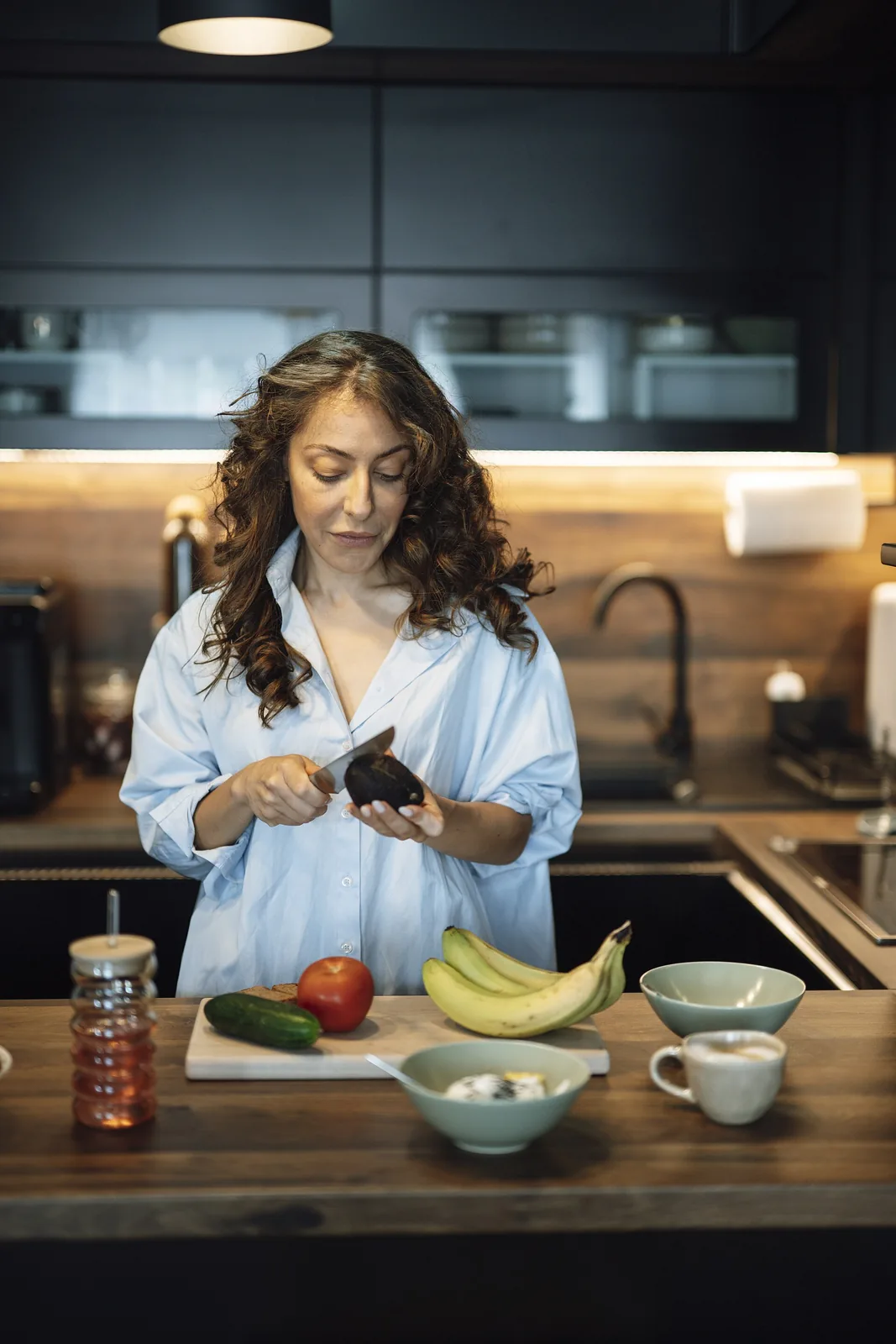
„Najkorisnija rutina je ona kojoj se možete vratiti i tokom zauzete sedmice.“
Glavne teme
Nježni pokreti vrata, ramena, šaka, kukova, koljena i stopala mogu se rasporediti u kratke pauze.
Cilj je raznovrsnost položaja, a ne veliki raspon ili brzina.
Vježbe uz stolicu, zid ili čvrstu radnu površinu pomažu da pokret ostane siguran i smiren.
Oslonac omogućava da pažnju usmjerite na držanje i ravnomjeran tempo.
San, pauze i realan sedmični raspored olakšavaju održavanje aktivnosti bez pretjerivanja.
Minimalna verzija rutine čuva kontinuitet kada imate manje vremena.
Šta dobijate
Kada imate nekoliko pouzdanih pravila, ne morate svaku aktivnost pretvarati u novi projekat. Kratka struktura pomaže da češće ustanete, ravnomjernije rasporedite kretanje i mirnije prilagodite sedmicu.
Kako početi
Vežite kratko razgibavanje za događaj koji se već ponavlja.
Koristite stabilnu stolicu, zid ili radnu površinu.
Dišite ravnomjerno i zadržite kontrolisan tempo.
Dodajte minute tek kada rutina postane laka za ponavljanje.
Primjeri iz života
Svaki završeni zadatak postaje znak za ustajanje, nekoliko koraka i lagano otvaranje šaka.
Predmeti se približavaju tijelu, pokreti se dijele na manje korake, a smjer se mijenja cijelim tijelom.
Ruta počinje kraćim dijelom, tempo dopušta razgovor, a odmor se planira prije nego što energija značajno opadne.
Znanje za primjenu
Počnite temama koje se mogu uvoditi bez naglih promjena.
Pregledna rutina za ramena, šake, kukove i stopala.
Kratki podsjetnici za sjedenje, hodanje, držanje i odmor.
Kontrolisani pokreti sa čvrstim osloncem.
Centar za pokret
Česta pitanja
Teme su usmjerene na svakodnevnu organizaciju, postepen tempo i jednostavne prilagodbe.
Postavite podsjetnik na svakih četrdeset do šezdeset minuta. Ustanite, napravite nekoliko sporih koraka, kruženje ramenima i lagano pomjeranje stopala. Dovoljna je kratka pauza koju možete redovno ponavljati.
Ne. Pet do deset minuta može imati jasno mjesto u danu, posebno kada rutinu vežete za jutarnju kafu, pauzu na poslu ili povratak kući. Dosljednost je važnija od rijetkih dugih sesija.
Krećite se do tačke na kojoj pokret ostaje miran, kontrolisan i bez forsiranja. Smanjite amplitudu ako gubite ravnotežu, zadržavate dah ili morate naglo ubrzati. Raspon se može širiti postepeno.
Sačuvajte minimalnu verziju plana: dvije kratke šetnje, jutarnje razgibavanje od pet minuta i nekoliko pauza od sjedenja. Kada se raspored smiri, produžite jednu aktivnost umjesto da sve mijenjate odjednom.
Zabilježite koliko lako ustajete sa stolice, koliko sigurno hodate stepenicama, koliko često pravite pauze i koliko dugo možete šetati u ugodnom tempu. Mjesečni pregled daje jasniju sliku od svakodnevnog ocjenjivanja.
Materijali na ovoj web-stranici služe općem informisanju i obrazovanju. Ne predstavljaju individualnu procjenu niti lični plan. Ako imate posebna ograničenja ili niste sigurni kako prilagoditi aktivnost, razgovarajte s kvalifikovanim stručnjakom prije promjene rutine.
Predložite temu
Vaša pitanja pomažu nam da pripremamo jasnije i korisnije sadržaje.
Kontaktirajte nasSvoj izbor možete promijeniti u bilo kojem trenutku. Neophodni kolačići čuvaju rad menija, obrazaca i zapamćenih postavki.